Resort Cities
Rimini is the largest of the Italian resorts
The charm of this town lies in the fact that tourists can perfectly combine a resort vacation with educational excursions.Riccione: the green pearl of the Adriatic
Riccione, which stretches along the Adriatic coast, just 5 km from the center of Rimini, is often compared to the social salon of the Roman Riviera, where only the rich and famous have access.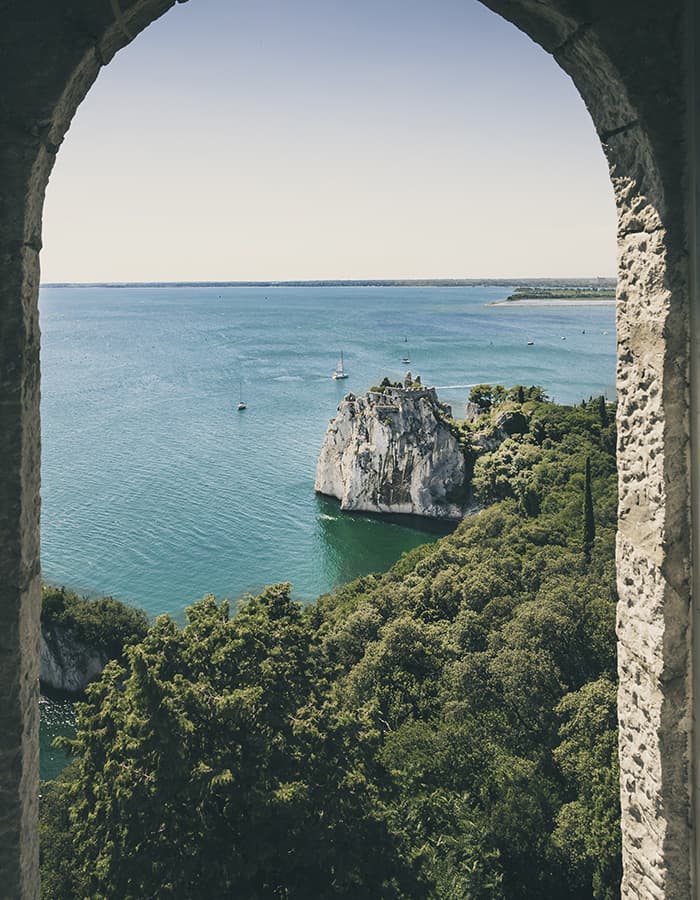
Amalfi is a seaside town in the province of Salerno
The city of Amalfi (Italy), according to historians, was founded in the IV century AD by the Roman emperor Constantine the Great.Cozy little town of Tropea
Tropea is called the pearl of the Tyrrhenian Sea: it is the most famous seaside resort in Calabria and the Costa delle Dei ("Coast of the Gods")Italy's most popular cities
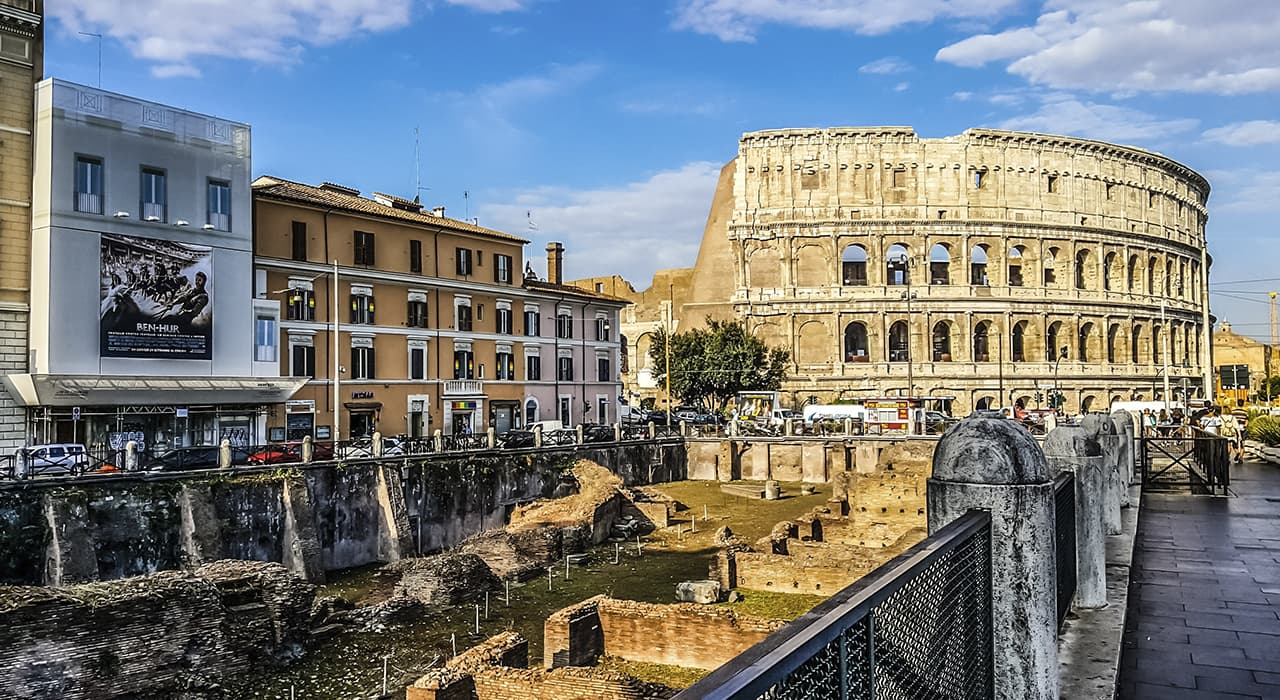
City of Rome
The number of sights in Rome reaches such a magnitude that after just a couple of hours in this city, the traveler’s brain and heart begin to refuse to perceive new ones.
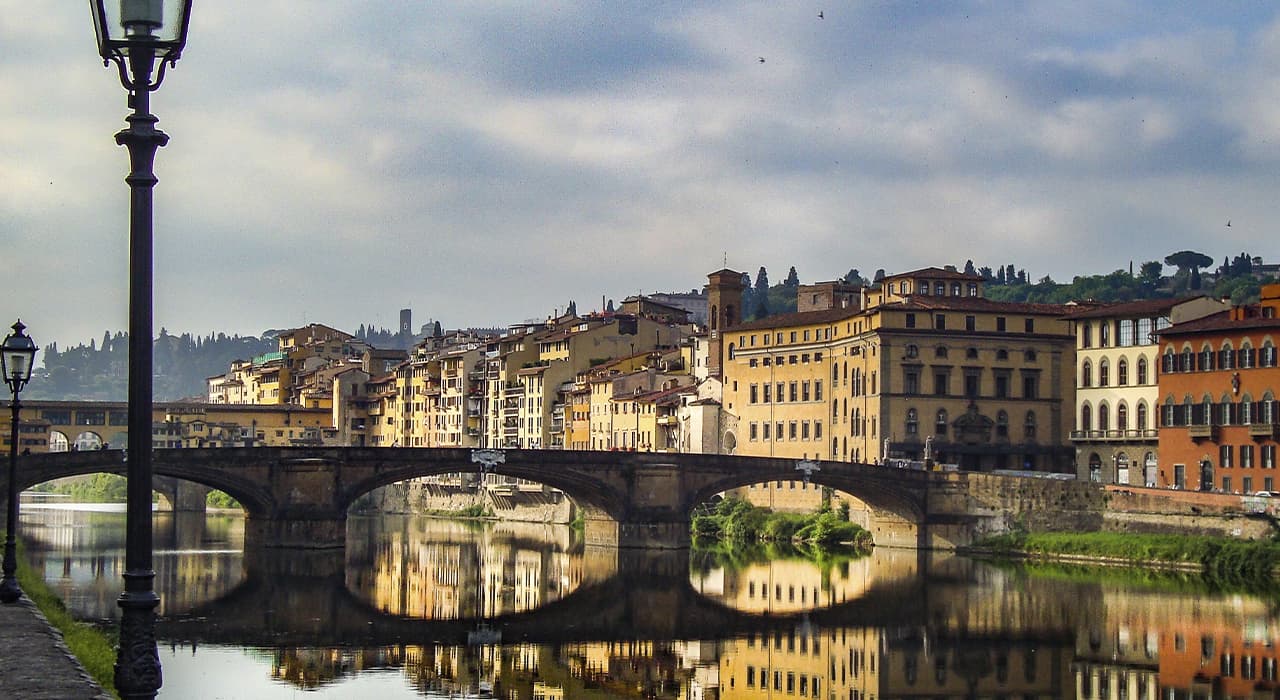
What to see in Florence in a day on your own
Florence first attracts with its beauty and comfort, then penetrates deep into the soul, and then arrives in memories and dreams, magically appearing before our eyes.
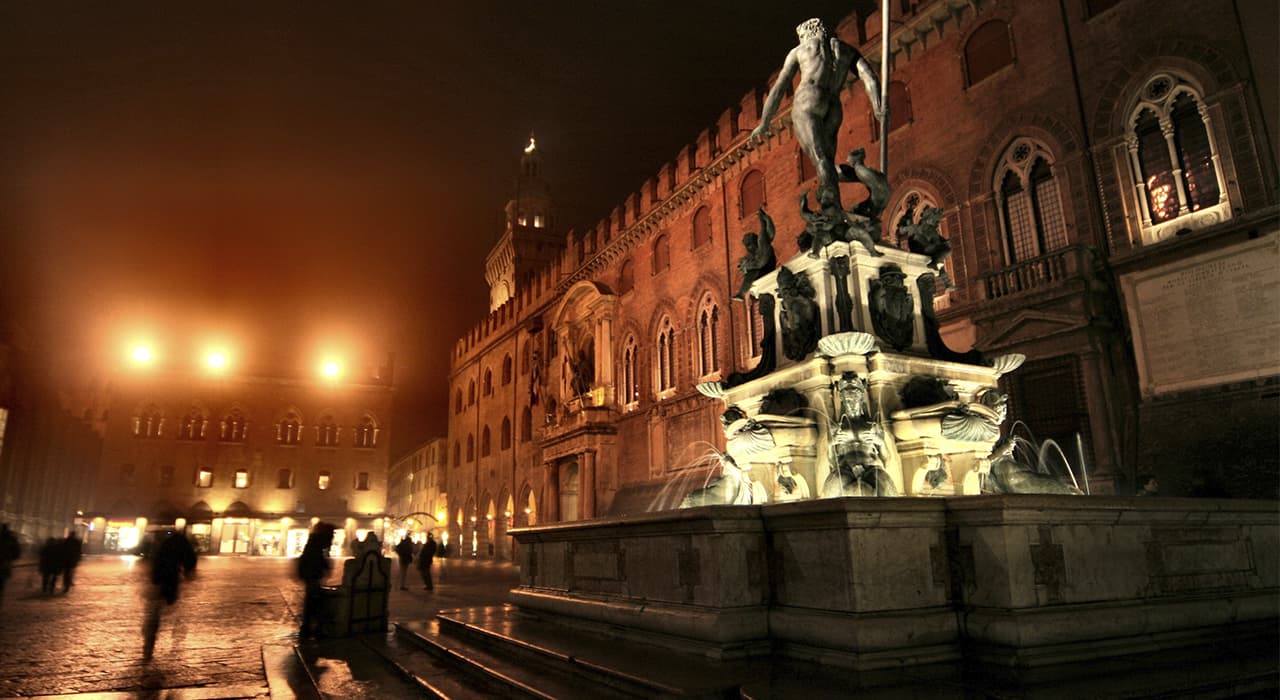
Bologna is the oldest university city
The city boasts excellent cuisine, a vibrant cultural scene and some of the liveliest cafes and bars in northern Italy.
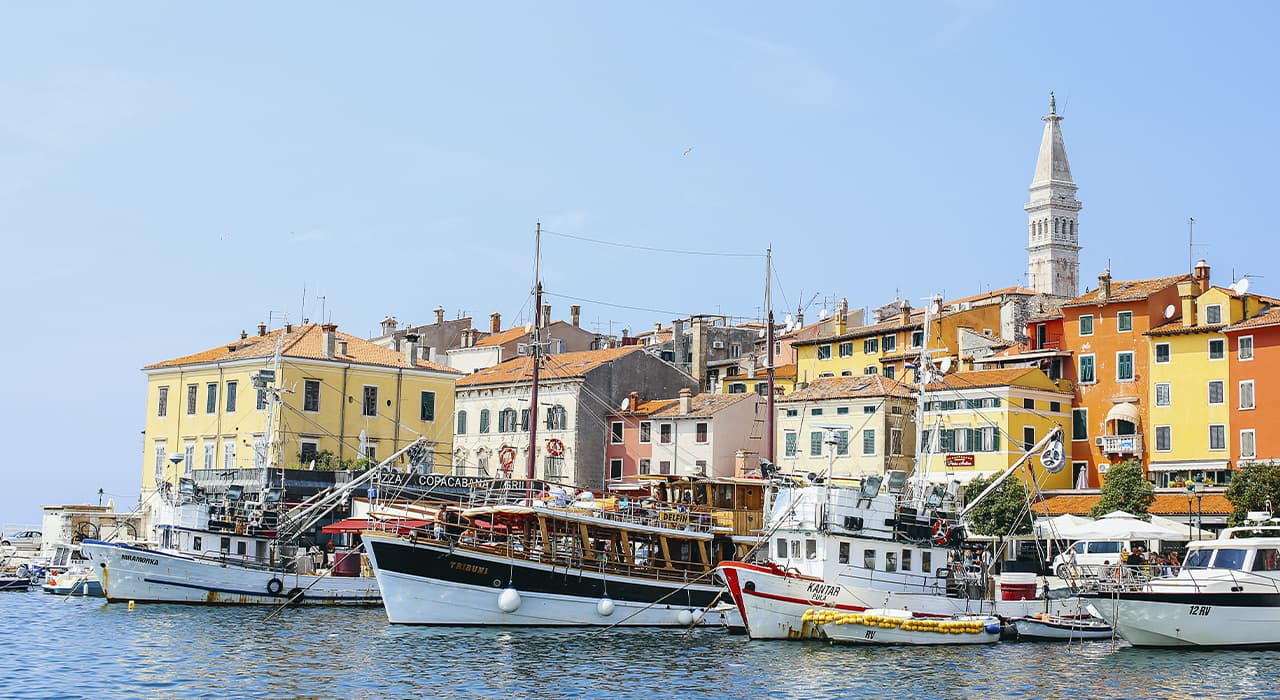
Multifaceted Genoa
The oldest city on the shores of the Gulf of Genoa, the 2nd largest seaport in Italy, is truly legendary. The multifaceted history of Genoa, which began long before Christ
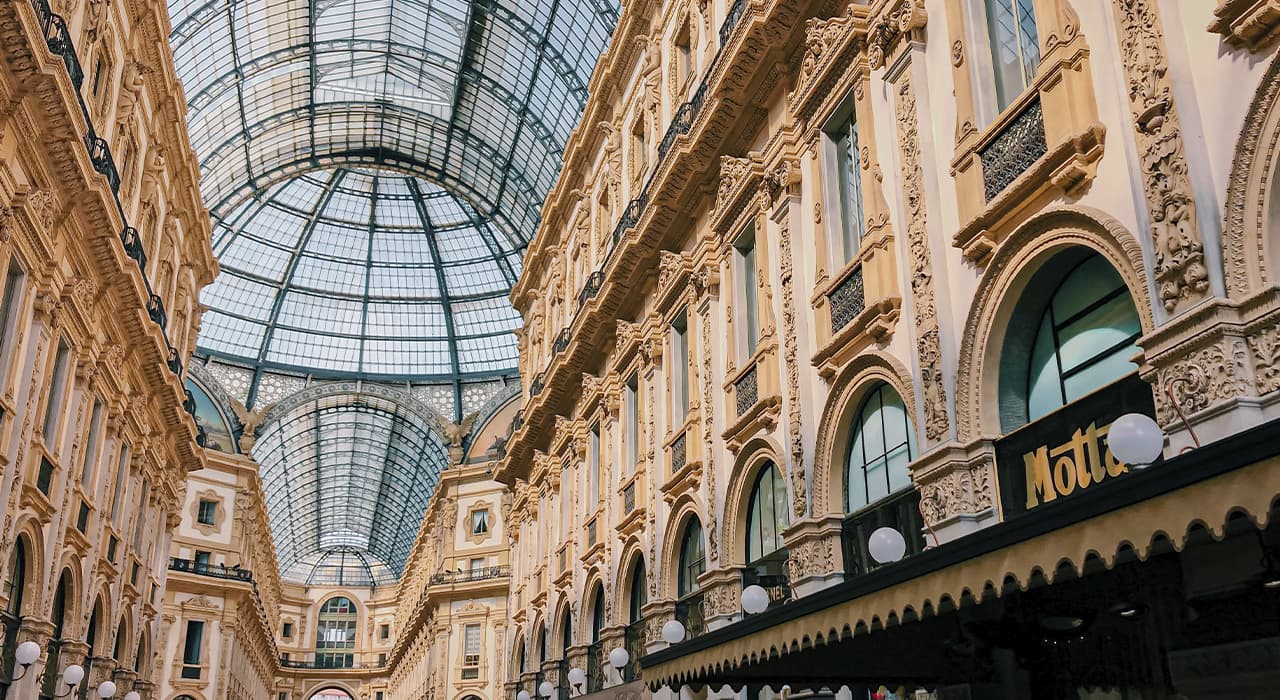
One of the fashion capitals of the world
It is an important city in Italy, a major financial and economic center of Europe, a popular destination for tourists and fashion lovers
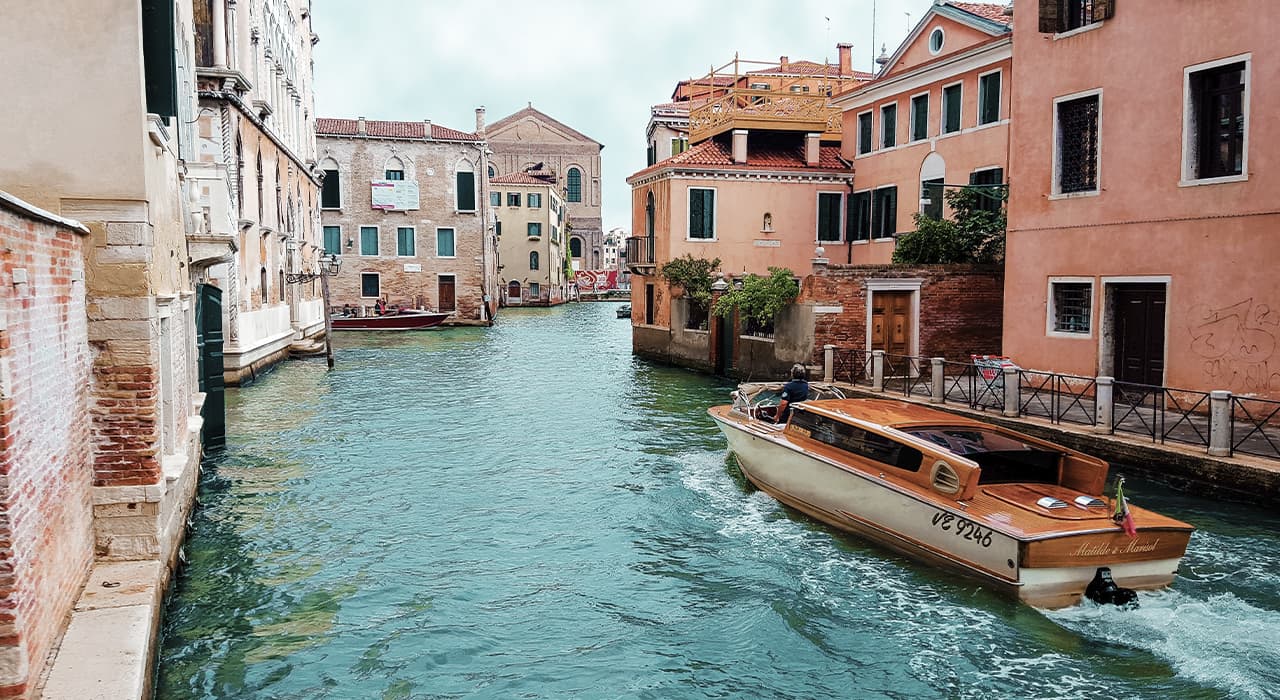
City of Venice
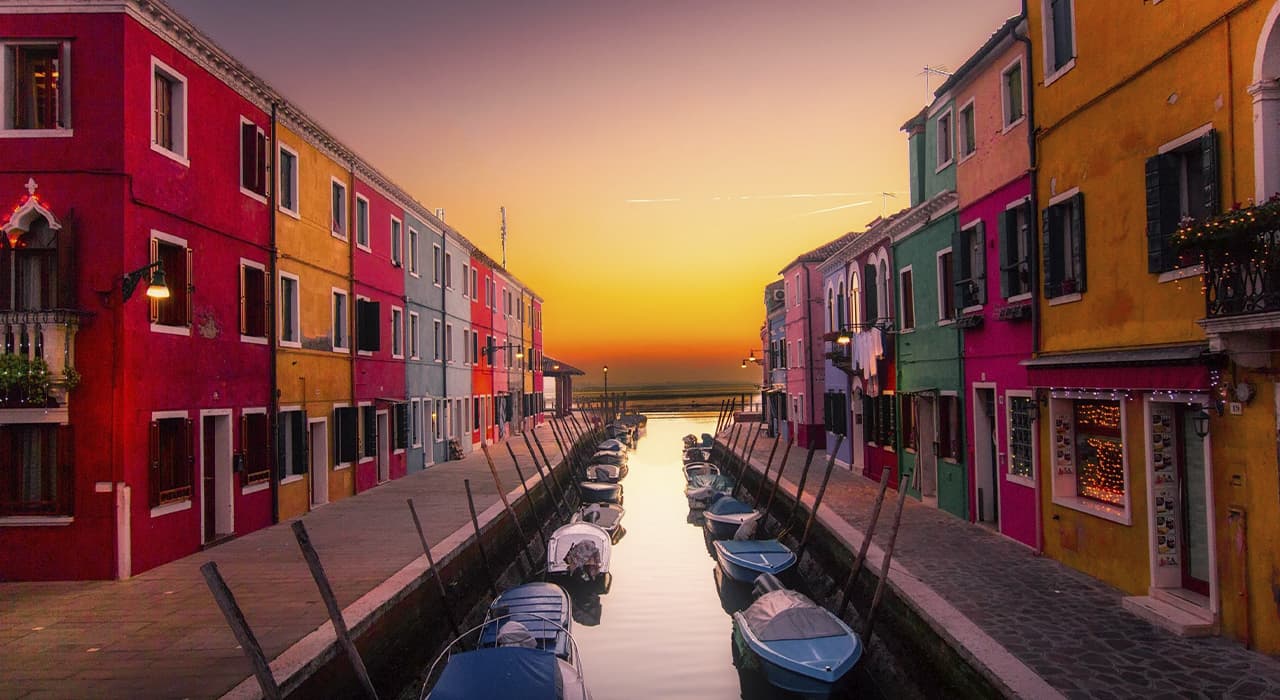
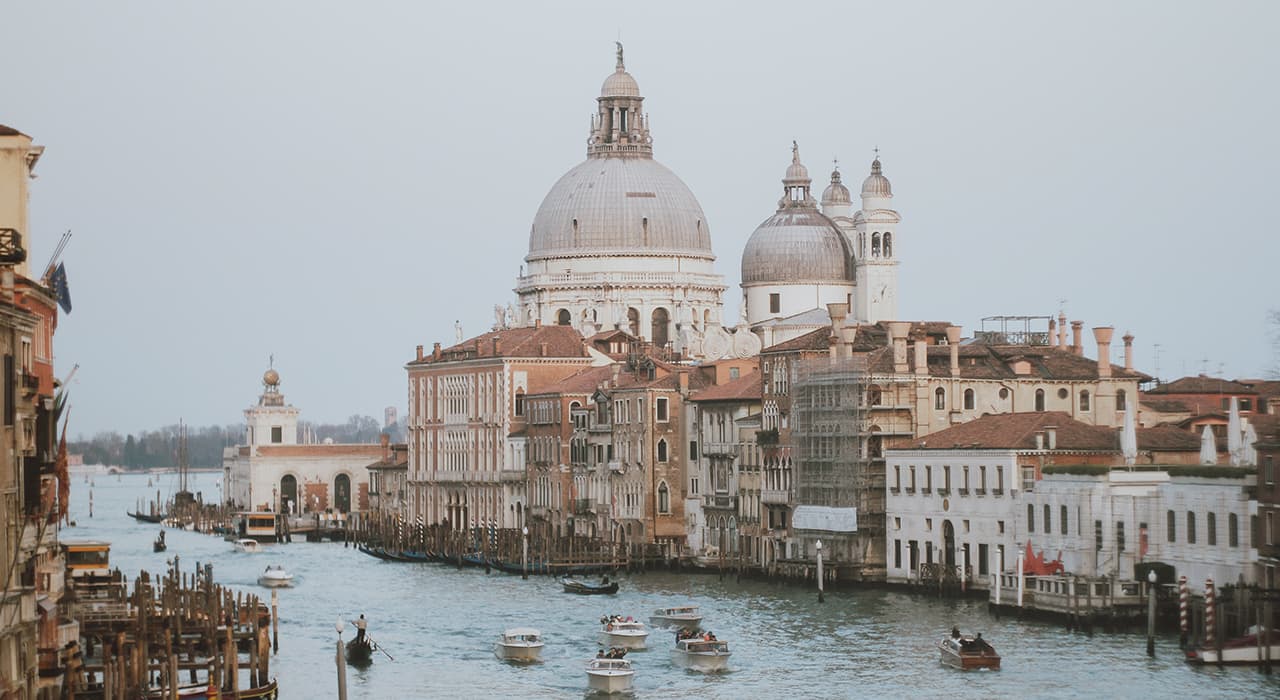
Venice is a city in northeastern Italy, the capital of the Veneto province. It is a UNESCO World Heritage Site and is one of the most unique and famous cities in the world
Tourist Italy
12
What can’t you miss when you come to Italy?
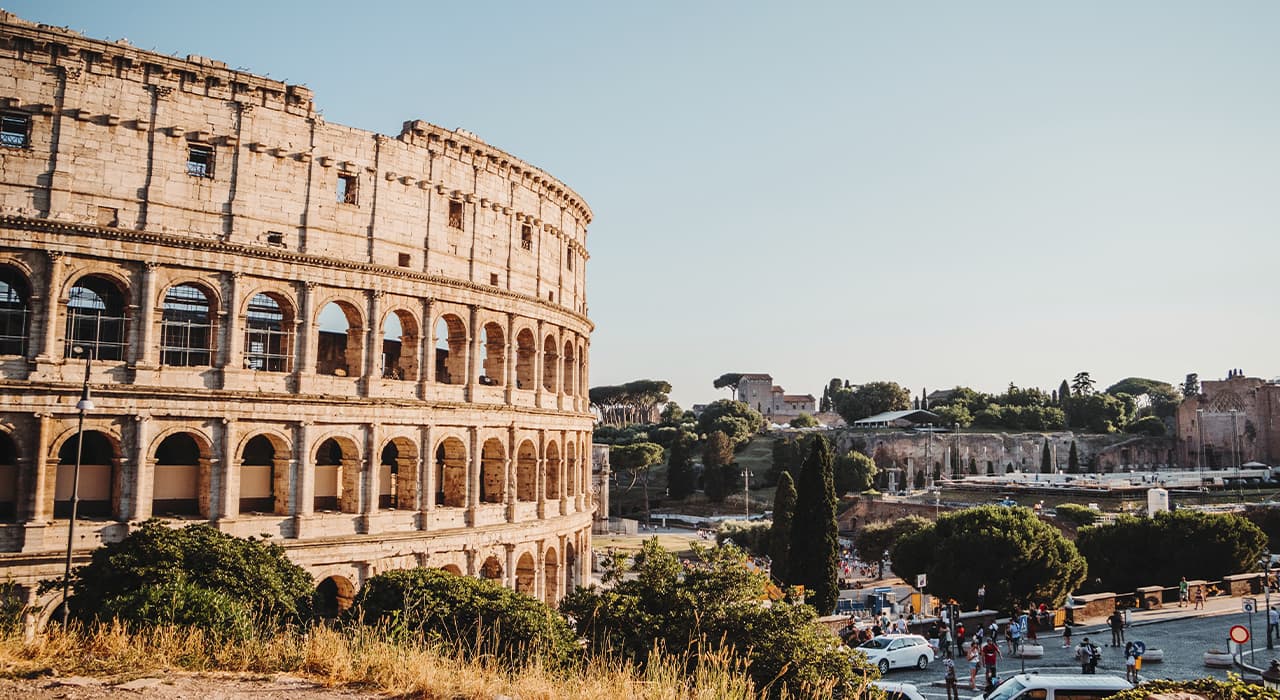
The city of Rome has a lot of historical sites, which can not be left without attention. Of particular importance are the Colosseum, the Pantheon, the Vatican, etc.
24
5 reasons: why do we go to Italy?
Each of us, thinking about holidays in Europe, reminiscent of Italy with special awe, because it is the home of famous creators and scientists
16
Italy is one of the most popular countries
Italy is a large state in southern Europe. It has a huge number of UNESCO-protected world heritage sites – there are historical monuments and works of art all over the country.
Brands That Trust Us.

Even on your travels in Italy you can continue to play at casinos not on Gamstop from your mobile device or laptop, conveniently and without restriction anywhere in the world.

Do you want to find information on some person? Use Radaris USA people finder. It's the most comprehensive public records database.

Get in on all the fun of online casino gaming for just R$1. Check out the top online casinos in Brazil https://deposito-minimo.com/ that offer one Real minimum deposits

Get fit, stay motivated, and live your best life with our fitness blog articles. Discover expert tips, workout routines, and healthy recipes to help you achieve your wellness goals.

Embark on an electrifying journey with Aviator, the captivating casino game that fuses strategy and luck. Bet on virtual airplane flights and seize extraordinary rewards. Brace yourself for an adrenaline-pumping adventure of soaring triumphs!

Online casinos have gained popularity among players in Europe. Trusted reviewers from Slovenia help you discover the best casinos for an exceptional gaming experience.